

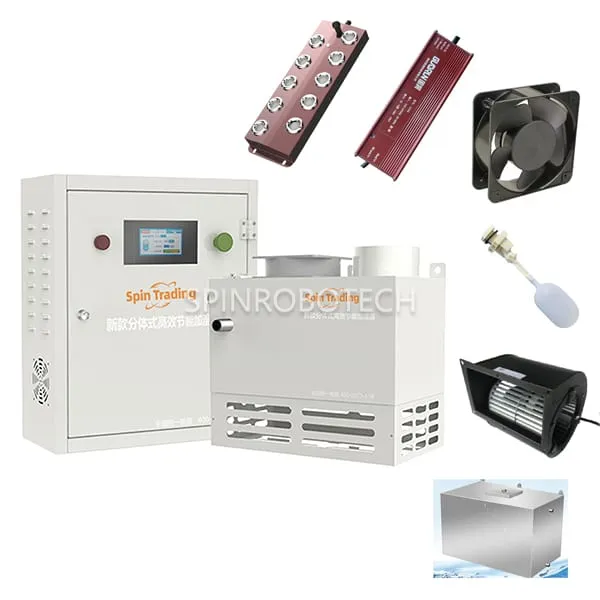


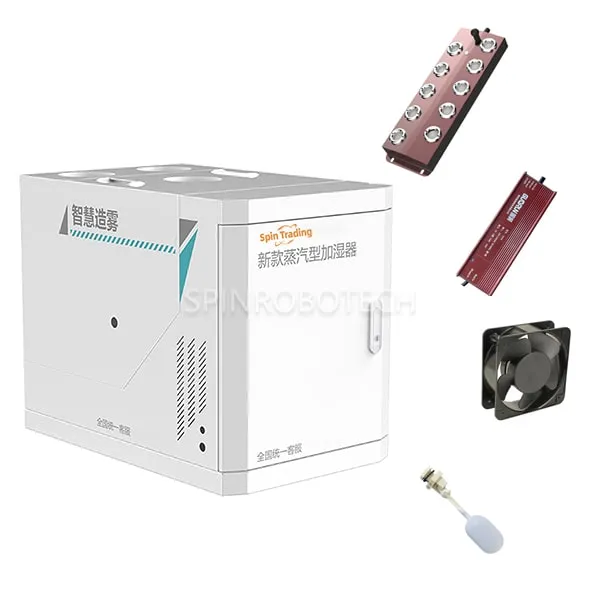
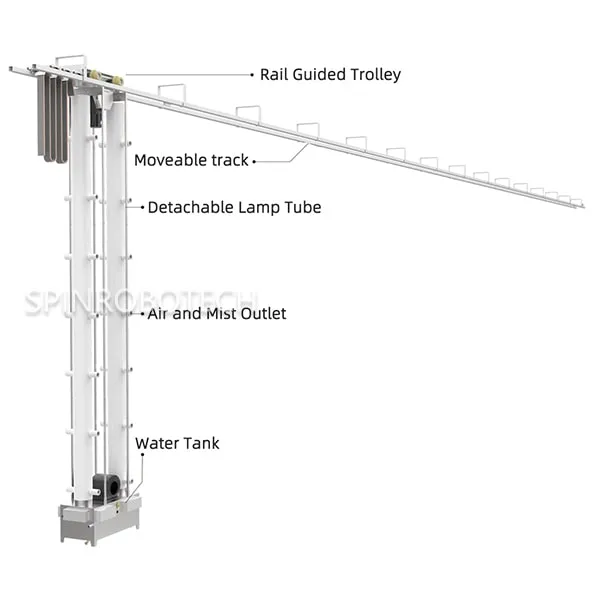
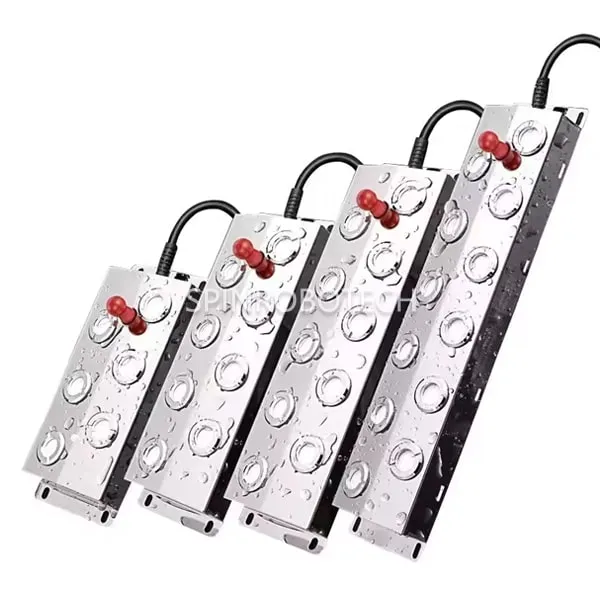




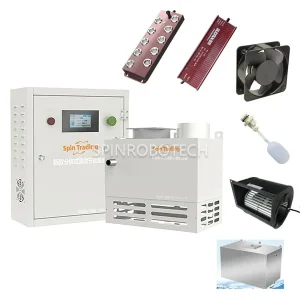
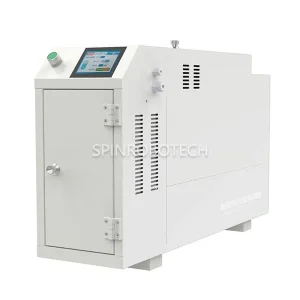
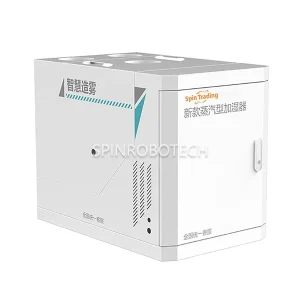

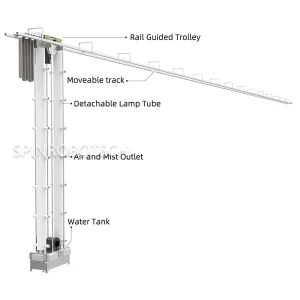
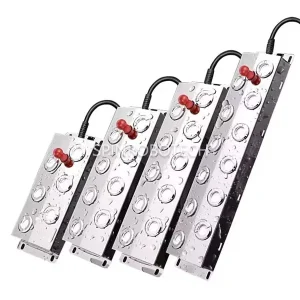


Ultrasonic misting system can create an extremely fine, controllable, and gentle high-humidity environment, which is key to extending the shelf life of fruits and vegetables.
Advantages of Ultrasonic Misting System
Extremely Fine Mist Particles, Uniform and Dead-Zone-Free Humidification:
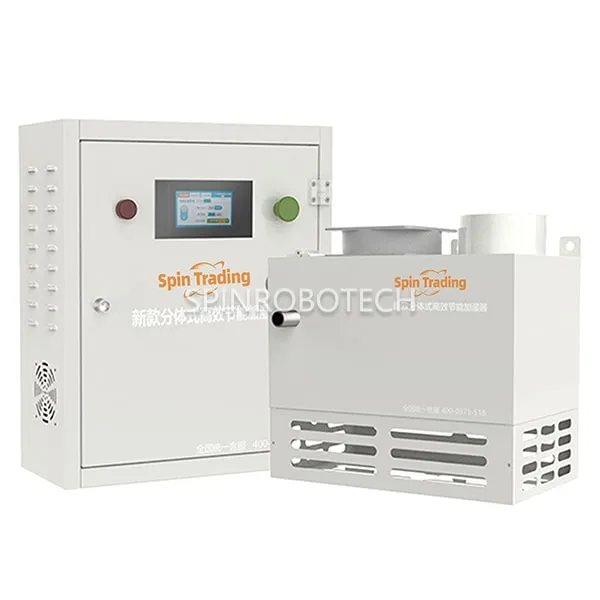
Working Principle: Ultrasonic misting system use high-frequency ultrasonic vibrators inside to directly “tear” water into fine mist particles with a diameter of 1-5 micrometers. This size is much smaller than the diameter of a human hair.
Preservation Advantages:
Uniform Coating: Mist particles this fine can diffuse in the air like a gas, evenly coating the surface of every vegetable and fruit without forming large water droplets. This ensures highly consistent humidity in the preservation storage or display area, with no dry spots.
Direct Moisture Replenishment: The fine mist can effectively penetrate the micro-pores on the surface of fruits and vegetables, directly replenishing moisture lost due to transpiration with high efficiency.
Rapidly Increases and Stabilizes Humidity:
Efficient Humidification: Due to the high mist output and fine particle size, humidification is very rapid, quickly raising the ambient humidity from low levels to the target value (e.g., 90%-95% relative humidity required for fruit and vegetable preservation).
Precise Humidity Control: Modern ultrasonic humidifiers are typically integrated with smart humidity sensors/controllers. They monitor ambient humidity in real time and automatically start or stop, keeping humidity fluctuations within a very narrow range. This stable high-humidity environment maximally suppresses transpiration in fruits and vegetables, preventing wilting and shriveling.
Cool Mist Humidification, Preserving Original Quality of Produce:
Physical Atomization, No Quality Alteration: Ultrasonic humidification is a purely physical process that does not heat the water. It produces entirely cool mist.
Preservation Advantages:
Retains Flavor and Nutrients: Avoids slight thermal stress that high temperatures might cause on the surface of fruits and vegetables, thereby better preserving their original fresh taste, flavor, and nutritional content.
Unaffected Appearance: Unlike steam humidification, which can cause temperature changes that may darken or soften the surface of delicate produce (such as leafy greens).
Energy-Efficient and Cost-Effective Operation:
Very Low Energy Consumption: As its core operation relies on electronic oscillation rather than heating or high-pressure pumps, ultrasonic humidifiers typically consume far less energy than high-pressure misting systems or electrode-style humidifiers. This significantly reduces electricity costs for preservation environments requiring 24/7 operation.
Integrated Smart Features for Unattended Operation:
Automated Operation: As mentioned, by connecting to a control system, it can achieve fully automated management. Administrators only need to set the target humidity, and the device operates independently, greatly reducing the need for manual intervention.
Expandable Functions: In advanced applications, ultrasonic humidifiers can be used in conjunction with ozone generators. By dissolving ozone in water for misting, they simultaneously humidify and utilize ozone’s strong oxidizing properties to sterilize the air and the surface of the produce, providing dual inhibition of microbial growth and enhanced anti-corrosion effects.
The Value of Ultrasonic Humidifiers is Particularly Prominent in the Following Scenarios:
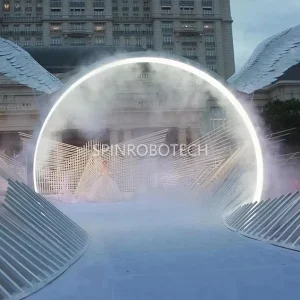
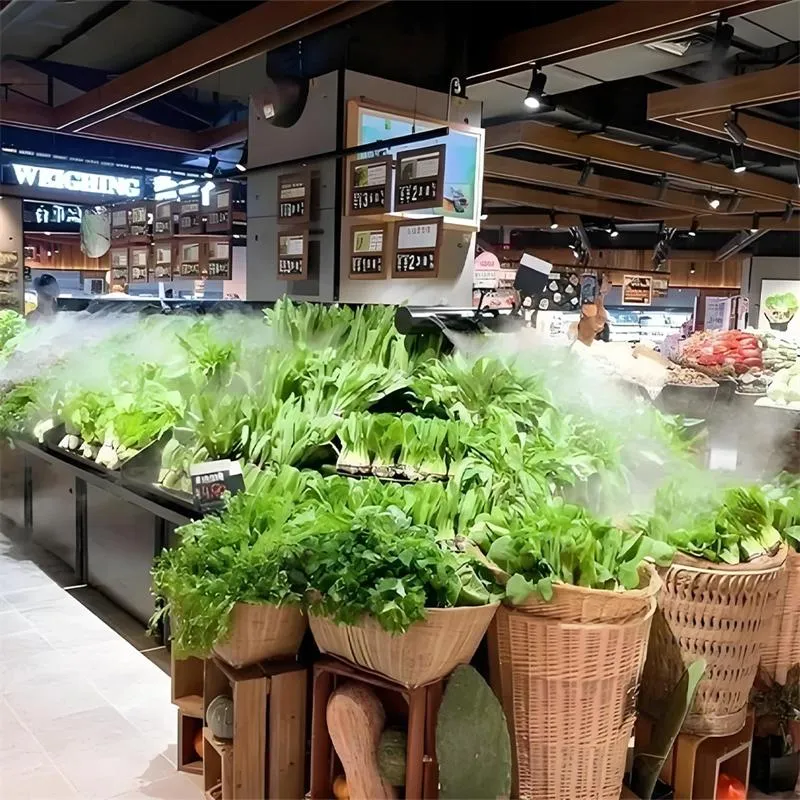
Supermarket Fresh Produce Sections / Premium Fruit and Vegetable Stores: The fine mist does not wet product labels or packaging and creates a visually appealing “misty” effect, significantly enhancing product appeal and stimulating purchases.
Small/Medium-Sized Preservation Cold Storage: Provides a precise storage environment for high-value produce extremely sensitive to water loss, such as strawberries, blueberries, leafy greens, and herbs.
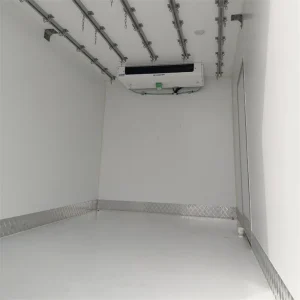
Fruit and Vegetable Cold Chain Logistics: Used in transport compartments to maintain stable high humidity during transit, reducing loss.
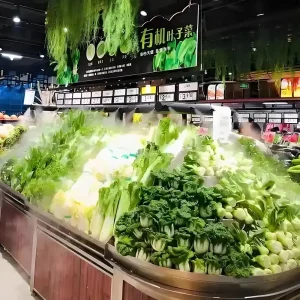

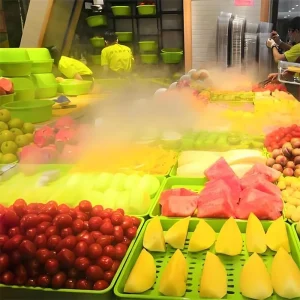
Moisture Humidifiers in the Modern Fruit and Vegetable Cold Chain Preservation Industry
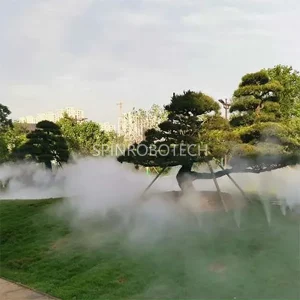
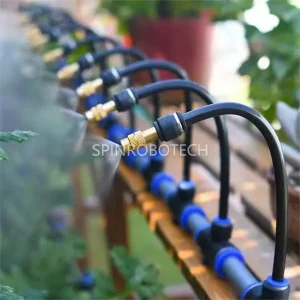
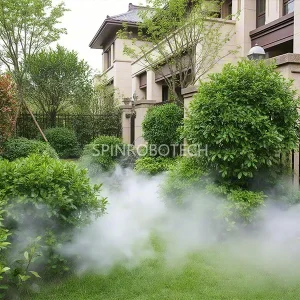
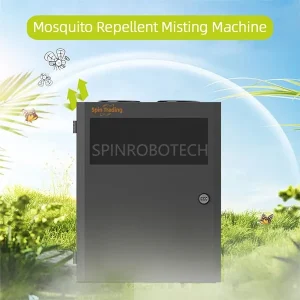
The humidity control system is an artificial mist technology that atomizes water into micron-sized particles using high-pressure equipment, simulating the effect of natural fog. With wide application for Fogging, Cooling, Moisturizing, Dust Suppression, Static Elimination, Mosquito Repellency, Sanitization.
And The humidity control system has wide applications in flower cultivation, mushroom farming, vegetable seeding cultivation, tissue culture propagation:
Flower Cultivation: For humidity-sensitive flowers like orchids, centrifugal humidifiers provide a uniformly moist environment, covering approximately 33 square meters. This helps maintain petal vibrancy and leaf lushness
Mushroom Farming: The oxygen-enriched ion spray disc enables high-precision humidity control. Growers report that “since stabilizing humidity levels, both yield and quality have improved.”
Vegetable Seedling Cultivation: Ultrasonic humidification delivers uniform humidity for seedlings, reducing disease and pest infestation while improving survival rates and robustness
Fruit Cultivation: Wide area misting systems (e.g., in kumquat orchards) create optimal microclimates, enhancing fruit quality.
Tissue Culture Propagation: In sterile environments, ultra-pure water atomization with filtration systems ensures successful tissue cultivation.